
Blog
A practical first pilot for an independent coffee brand
A four-week plan for testing one coffee offer, from the first sample to the second paid order.
A first coffee pilot should answer a small set of questions that a founder can act on. Who buys the first bag? Does the coffee fit the way they prepare it? Can the order be fulfilled reliably? Does anyone choose to buy again? A four-week test gives those questions a calendar and keeps the first launch from becoming an open-ended collection of samples, packaging ideas and unfinished pages.
Write the decision before buying the supplies
State what the pilot will help decide. For example: whether one house blend, sold through a weekly local pickup, is worth repeating for the same group. Keep that sentence at the top of the plan. It gives every proposed addition a test. A second blend, another pickup location or a subscription page belongs in the pilot only if it helps answer the original question.
Choose a reachable group. A partner workspace, a neighborhood counter or a small employer may provide an introduction to people whose coffee routine fits the offer. Ask the organizer what is appropriate before planning a tasting or placing a sign. Agree who communicates with the group, where orders are collected and who handles questions.
Use direct research to find out what those people already do. The Australian Government's market research guide sets out ways to investigate a market and competing offers. In this pilot, a handful of precise questions can shape the first brief: what coffee do you buy, how do you brew it, how much do you finish, and what makes restocking inconvenient?
Week one: settle the product brief
Give the roasting partner a short written brief. Describe the intended drinker, the brewing method, desired taste direction, bag size and likely first quantity. Ask about lead times, packaging responsibilities, the ordering deadline and what product information can accurately appear on the bag. Put the answers into the operating plan while the order is still small.
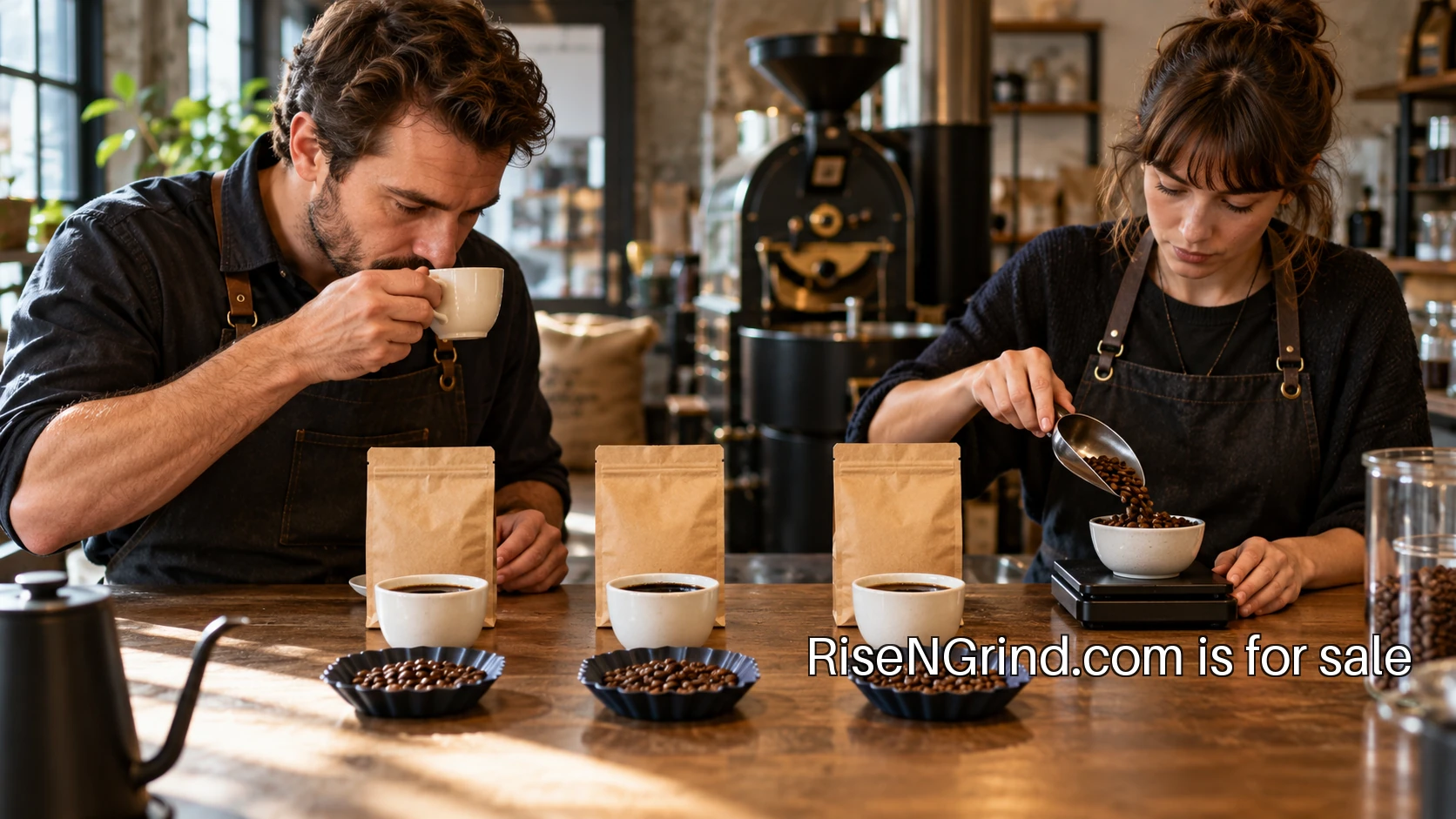
Prepare samples consistently. Use the same water, brewing method and recipe when comparing options, and record what was done. Ask the partner for help describing the coffee in terms the intended buyer can use. The Specialty Coffee Association's Coffee Value Assessment gives professionals a framework for evaluating coffee attributes. A consumer pilot can use a simpler feedback sheet while keeping the preparation consistent.
Select one product for the paid test. Write a short description with the taste direction, weight, format and preparation guidance. Show that description to someone outside the project and ask them what they would receive. If their answer differs from the actual offer, revise the page before inviting orders.
Make a tasting answer a useful question
A tasting can help refine the description, but a free cup and a paid bag are different choices. Separate those observations in the notes. Record what people liked about the sample, what questions they asked and whether they chose the paid offer. Avoid turning every friendly comment into evidence that the business is ready to expand.
Ask about use rather than asking people to approve the idea. “What would you brew this with?” can reveal whether the grind options are useful. “When would you need another bag?” can reveal a possible reorder interval. Give participants space to say the coffee is different from their usual preference. That answer may help the founder describe the intended customer more accurately.
If comparing samples, use a simple code on each cup and keep the order of questions consistent. Record the actual wording people use. A phrase such as “good with milk before work” can be more useful for the first product description than an elaborate list of tasting terms that buyers did not mention.
Week two: take a small paid order
Publish one order page with the information needed to choose. Include the product, amount, price for the coffee, order deadline, collection or delivery details and contact for product questions. State any limits in the actual fulfillment arrangement plainly. A buyer should be able to understand the offer without returning to a social post for missing details.
Set the order cap from what the founder and partner can fulfill well. Check the path through payment, order confirmation, the production list and the pickup list. Confirm that names and quantities stay attached to the correct orders. A small rehearsal with the actual process can expose a missing step before the first collection day.
Keep a record of the direct costs. Include coffee, packaging, labels, transaction charges and transport. Record time spent assembling orders and answering questions separately. The purpose is to understand what this particular offer takes to operate, including the quiet work that is easy to overlook during a launch.
Week three: fulfill and observe
Inspect the delivered batch before collection. Check quantities, labels and the match between the product ordered and the product supplied. Prepare a simple pickup system that lets the host find an order quickly without displaying everyone's details. Give buyers the instructions they need before the collection window begins.
Keep a short incident log. Note late arrivals, missing information, mistaken orders and questions that required a manual answer. Write down the fix beside the incident. One confusing sentence on the collection email may explain several problems; correcting it can be more useful than adding another person to the counter.
Ask for feedback after people have had time to use the coffee at home. Keep it brief and tied to the product: how did you prepare it, did the description fit the cup, and would the same collection arrangement suit you again? The answers should lead to a decision about the next run.
Week four: invite the repeat purchase
Offer the same coffee through the same clear reorder path. Let the buyer make a fresh decision before adding a recurring plan. A repeat purchase provides different information from a tasting response because the buyer has now used the product and knows the collection process.
Compare repeat orders with the first group of paid buyers. Note people who wanted another bag later, people who preferred a different format and people who could not use the pickup time. Keep those reasons separate. They suggest different changes, and combining them into one satisfaction score hides the practical work.
Finish with a short review. Keep the product and routine if the evidence supports repeating them. Change one meaningful variable if the problem is clear. Stop a format that the founder cannot serve consistently. The next plan should say what was learned, what changes and which question the next run will answer.
A name such as RiseNGrind can stay on the bag and ordering page throughout that learning. The founder's job is to make the first offer dependable enough to repeat. Write the four dates, the product brief and the reorder invitation before adding the next idea.