A RiseNGrind possibility
Coffee for the first move of the day
Your name on the first coffee bag, with room for the morning ritual around it.
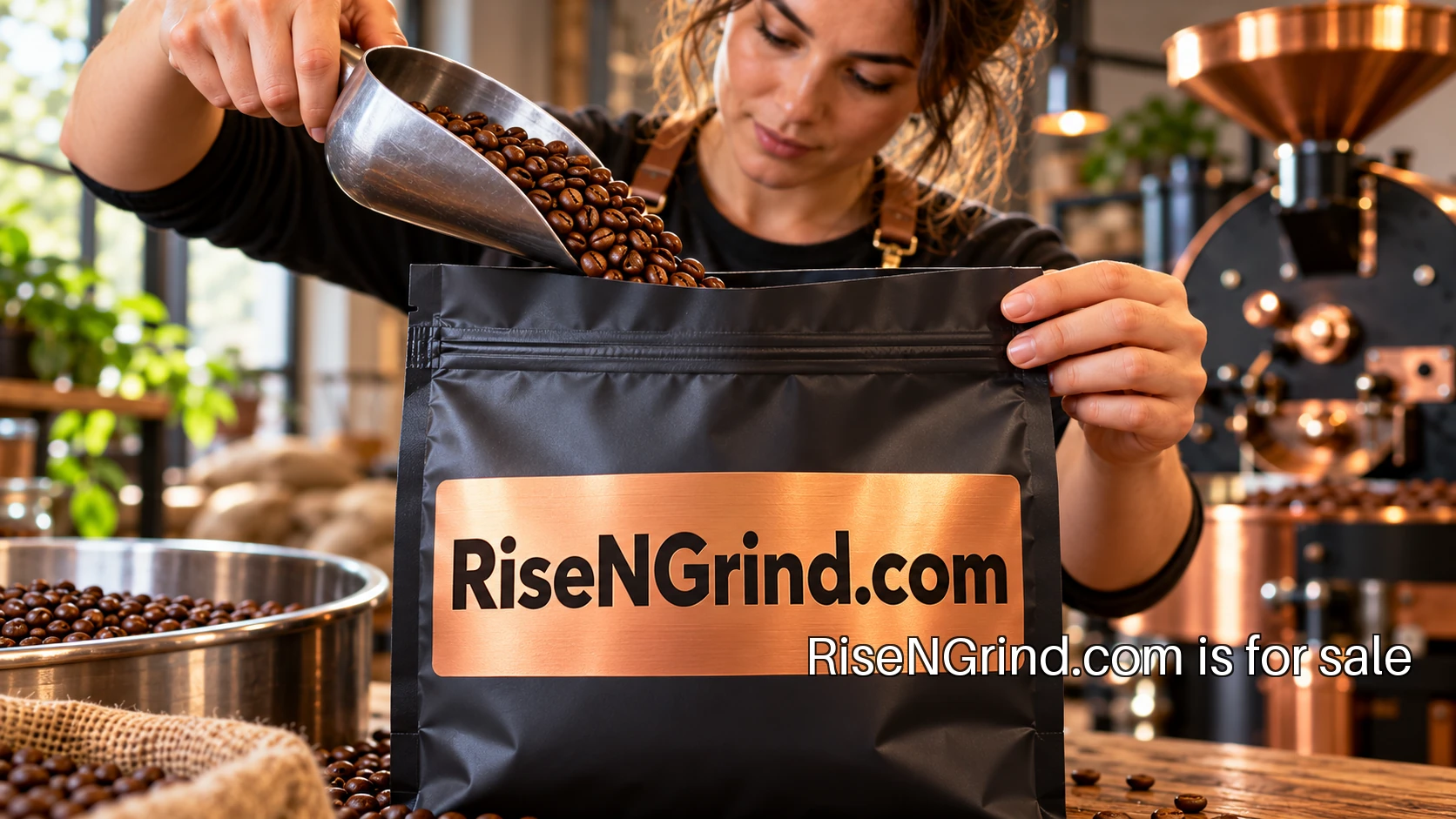
A coffee brand gives RiseNGrind.com a clear setting: the cup people reach for before the rest of the day gets busy. The first offer could be a dependable daily coffee with a morning ritual around it. This is an illustrative concept for a founder who wants to make that ritual specific, useful and easy to repeat.
Start with the coffee people will reorder
Choose one drinker and one regular use. That might be someone making a pot at home before a commute, or a small workplace restocking the coffee shelf every week. Those are different jobs. The home drinker needs a convenient bag size and clear brewing guidance. The workplace buyer needs dependable delivery, simple ordering and enough coffee for a changing headcount. Begin with the group the founder can reach and serve consistently.
A first blend should have a short description in everyday language. Give the drinker a useful expectation about taste, the suggested brewing method and the amount in the bag. A founder working with a roasting partner can ask for samples that serve that specific brief, then compare them prepared in the way the intended buyer actually makes coffee. The Specialty Coffee Association's Coffee Value Assessment provides a structured way for professionals to describe coffee. For the first consumer conversation, a short set of understandable taste notes gives the buyer something to work with.
RiseNGrind could appear on a simple bag with one clear product name below it. Keep the ordering page equally focused. Show the bag size, whole-bean or ground choice, collection or shipping arrangement and next available date. Each extra option creates another thing to stock and explain. A narrow first offer gives the founder a chance to get the ordinary order right.
Make the second order easy
Build the reorder path before adding a subscription. A person who bought one bag should be able to find the same coffee again without remembering an event name or searching through a long catalog. A card inside the bag can lead to a stable product page. The confirmation email can explain how to order again and where to collect it. Use the same name and product wording on the bag, page and pickup list.
An illustrative first offer could be one house blend sold through a Friday pickup window at a partner location. Orders close on a stated day, the roasting partner receives a consolidated order, and the founder prepares named pickups. This creates a manageable weekly cycle. The founder can learn which bag sizes people finish, what questions recur and whether the pickup window is convenient before offering more dates.
Ask about the actual gap between purchases. Some people may finish a bag in a week; others may take much longer. Give each person a straightforward reorder option and ask what cadence would be useful. A recurring plan should follow that evidence. Describe when an order will be charged and fulfilled, and make changes or stopping clear before inviting anyone into it.
Let a local partnership carry the first introduction
A breakfast counter, independent workspace or neighborhood gathering can give the founder a place to meet the intended drinkers. Select one partner whose daily routine matches the offer. Agree who takes payment, who handles questions, how coffee is stored and what happens to uncollected orders. The relationship needs a practical owner on both sides.
Bring a small tasting setup with a short question sheet. Ask what people normally drink, how they prepare it and when they buy their next bag. The Australian Government's market research guide is a useful starting point for separating a business idea from the questions that need answering. Here the useful question is specific: can this coffee become a convenient repeat purchase for this group?
The content around the brand can stay close to those questions. A short guide to the first brew, a photograph of the actual bag and an explanation of the next pickup do more practical work than a stream of motivational slogans. RiseNGrind gives the routine its identity; the founder supplies the details that let someone take part.
Know what the weekly operation asks of you
Write down the path from an order to a collected bag. Include the roasting partner's lead time, packaging supply, payment reconciliation, customer questions and missed pickups. Calculate the cost of each unit with packaging and the delivery or collection arrangement included. Keep the original assumptions beside the actual figures so the next run has a better starting point.
Taste the product from each batch using a consistent preparation. Keep records of the product supplied and any feedback attached to it. A substitution needs a clear explanation to the buyer. If the first offer depends on one person making every pickup, plan who can cover that person before expanding the calendar.
For a first month, the founder's goal can be a small group that orders, receives the coffee and has a reason to return. Review repeat purchases separately from compliments at a tasting. Write the next offer using what those buyers actually needed. With RiseNGrind on the bag and the reorder page, the founder can carry that learning forward under the same identity.
To discuss acquiring RiseNGrind.com for this direction, tell PremiumBrands about the coffee offer and the people it would serve.